- Democracy in West Africa: Beyond Elections, Toward Accountability
- ECOWAS Integration: Stop the Political Lip Service
- Ghana’s Cedi Crisis: Citizens Deserve Monetary Stability
- Nigeria’s Oil Dependency: Time to Break the Curse
- United States Signals Continued Tight Monetary Policy Amid Inflation Concerns

Editorial Board Position and Publisher Statement

The Africa Signal news publishing enterprise enters a new chapter with a strengthened commitment to high quality journalism and continent-wide relevance. From inception in 2015, our goal has been to raise the standard of African reportage by delivering clarity, depth, and sector intelligence capable of shaping national and regional conversations. Our early years were defined by investigative rigour, policy focused storytelling, and a widening readership drawn to credible analysis. At the end of 2023 we paused operations to restructure, reinforce our digital capabilities, and reposition for a more resilient future. This relaunch marks our return with sharper purpose and a renewed editorial philosophy.
Our vision is to serve as a leading pan African news institution driven by accuracy, balanced information, and ethical inquiry. We aim to strengthen public understanding across the continent, support informed decision making, and advance knowledge that contributes to social and economic development. Our mission is to provide evidence-based reporting, specialized sector insights, and constructive thought leadership that empower citizens, policymakers, and industry actors. Our objectives emphasize regional inclusiveness, editorial discipline, and a commitment to amplifying African expertise in a global information space.
 Within this broad mandate, Nigeria’s maritime sector stands out as a critical pillar of national growth and continental competitiveness. The Editorial Board recognizes that Nigeria is entering a decisive moment in its maritime trajectory following its new status on the International Maritime Organisation Council. This development presents an opportunity to reposition the country as a maritime hub capable of commanding strategic relevance across global shipping, logistics, and blue economy activities.
The sector demands deliberate policy clarity, institutional coherence, and long-term investment planning. Strengthening port infrastructure, advancing digital maritime systems, reforming regulatory frameworks, and building human capacity remain central to unlocking value. Enhanced coordination among agencies, improved security across waterways, and alignment with global environmental and safety standards are equally essential. Nigeria must foster an enabling ecosystem that supports innovation, reduces operational friction, and positions local operators to compete with international counterparts.
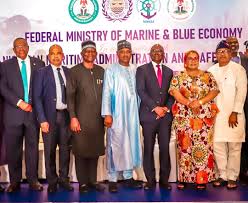 Our position is that maritime development must be treated as a national economic priority. Transparent governance, efficient port operations, and modernised logistics chains will shape how Nigeria influences regional trade dynamics and broader African integration efforts. The editorial stance also underscores the need for investment in shipbuilding, repair facilities, inland waterways, and intermodal transport systems. These elements are indispensable to sustainable progress in the maritime domain.
As we relaunch, our editorial responsibility is to illuminate these issues with clarity, analyze their implications, and provide a platform where policy directions and industry reforms can be examined constructively. We intend to elevate public understanding, support accountability, and highlight opportunities that contribute to a more resilient and competitive maritime future for Nigeria. A six-part maritime editorial project has been scheduled for release in the course of December 2025 in furtherance of this outlined cause.
Our return to the publishing landscape affirms a deeper commitment to public service journalism. We move forward with expanded regional desks, modernised workflows, and a continent driven perspective aimed at enhancing the quality of discourse across Africa. This new direction reflects our enduring belief that reliable information is essential to national development, regional cooperation, and the success of vital sectors such as maritime transport.
(Edited by: Samuel Odebowale)