- Democracy in West Africa: Beyond Elections, Toward Accountability
- ECOWAS Integration: Stop the Political Lip Service
- Ghana’s Cedi Crisis: Citizens Deserve Monetary Stability
- Nigeria’s Oil Dependency: Time to Break the Curse
- United States Signals Continued Tight Monetary Policy Amid Inflation Concerns

Nigeria’s Oil Dependency: Time to Break the Curse
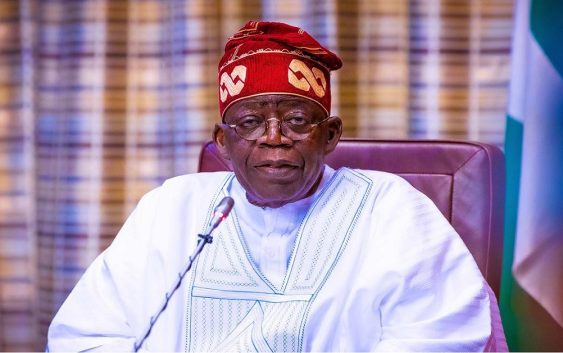
Nigeria has lived under the shadow of oil for too long. Every budget cycle, every foreign exchange crisis, every political promise seems to circle back to crude. Yet, as the News Agency of Nigeria (NAN) recently reported, there are signs of change: non‑oil exports hit $6.1 billion in 2025, and the government is training tens of thousands of exporters to expand capacity. Finance Minister Wale Edun even projects 4.7% GDP growth in 2026, with ambitions of a $1 trillion economy by 2030. These are bold claims. But unless Nigeria breaks the oil curse with real reforms, they risk becoming just another set of numbers in a long history of missed opportunities.
The Oil Trap We Built
Oil was supposed to be Nigeria’s blessing. Instead, it became a trap. Agriculture collapsed, manufacturing stagnated, and corruption flourished under the easy money of petroleum revenues. Every time oil prices fell, Nigeria’s economy shivered. Every time they rose, leaders wasted the windfall. Citizens have paid the price in inflation, unemployment, and poor infrastructure.
It is time to say it plainly: Nigeria cannot build a future on oil alone. It’s time to break the curse of Nigeria’s oil dependency.
Signs of Hope — But Not Enough
NAN’s reporting shows progress:
- Non‑oil exports are rising, from agricultural produce to manufactured goods.
- Refinery projects like Dangote’s promise to reduce fuel imports.
- Green finance deals are opening doors for renewable energy and sustainable agriculture.
- Digital innovation is attracting global investors in fintech and e‑commerce.
These are encouraging steps. But they remain scattered initiatives, not yet a coherent national strategy.
Why Diversification Matters for Citizens
Diversification isn’t just an economic buzzword. It’s about jobs, stability, and dignity.
- Jobs: Agriculture and manufacturing can absorb millions of unemployed youths. Oil cannot.
- Stability: A diversified economy shields families from the shocks of global oil prices.
- Dignity: Citizens deserve an economy that works for them, not one that collapses every time OPEC sneezes.
What Must Change
Nigeria’s leaders love to announce targets. What citizens need are actions:
- Invest in infrastructure: Roads, power, and ports must be fixed to support trade.
- Fight corruption: Oil revenues have been looted for decades. Diversification will fail if new sectors suffer the same fate.
- Support small businesses: Exporters, farmers, and tech start‑ups need credit and fair policies.
- Stabilize the naira: Currency chaos undermines confidence in every sector.
Regional Stakes
Nigeria is West Africa’s giant. If it succeeds in diversification, ECOWAS benefits. Stronger non‑oil exports could boost regional trade, stabilize currencies, and inspire neighbors. If it fails, the region remains trapped in dependency and instability.
Outlook — A Call to Action
Nigeria’s ambition to hit $1 trillion GDP by 2030 is not impossible. But it requires courage. Leaders must stop treating oil as a crutch and start treating diversification as a survival plan. Citizens must demand accountability, not just promises.
The oil curse has defined Nigeria for half a century. Breaking it will define the next.
Conclusion
Nigeria stands at a turning point. Oil dependency has robbed generations of stability and prosperity. The path forward is clear: invest in people, infrastructure, and innovation. Diversification is not optional — it is the only way to secure a future where Nigeria’s economy serves its citizens, not just its oil wells.