- Democracy in West Africa: Beyond Elections, Toward Accountability
- ECOWAS Integration: Stop the Political Lip Service
- Ghana’s Cedi Crisis: Citizens Deserve Monetary Stability
- Nigeria’s Oil Dependency: Time to Break the Curse
- United States Signals Continued Tight Monetary Policy Amid Inflation Concerns

How Environmental Changes Are Fueling Conflict Across Africa
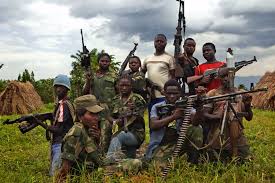
Across the African continent, the effects of climate change are intensifying security challenges, heightening humanitarian pressures, and accelerating displacement on a scale that regional institutions now describe as alarming. Recent assessments by the African Development Bank, United Nations agencies, and environmental research groups indicate that droughts, rising temperatures, erratic rainfall, and flooding are driving communities into direct competition over land, water, and grazing routes, while amplifying long standing social and economic grievances.
In the Sahel, prolonged drought cycles and advancing desertification have reduced arable land and depleted water sources. This environmental stress has worsened tensions between farming and pastoral communities, contributing to recurring clashes in countries such as Mali, Burkina Faso, Niger, and northern Nigeria. Experts warn that the pace of environmental degradation is outstripping the capacity of local and national authorities to mediate disputes or provide alternative livelihoods, creating fertile ground for armed groups that exploit scarcity and displacement.
In East Africa, severe flooding has devastated settlements in Kenya, Somalia, Ethiopia, and South Sudan. Seasonal variations that were once predictable have given way to cycles of drought followed by sudden floods, destroying crops, displacing millions, and undermining food security. Humanitarian agencies report that these conditions have heightened vulnerability in conflict active regions, intensified resource-based disputes and weakened government presence in remote communities.
Southern Africa is also experiencing shifting climatic patterns, with countries such as Mozambique, Malawi, and Zimbabwe grappling with repeated cyclones that destroy infrastructure and disrupt economic activity. The cumulative effect of these disasters is a growing population of displaced persons and rising pressure on cities and host communities, where competition for jobs, shelter, and services is contributing to social friction.
Security analysts note that climate driven crises have become a multiplier of conflict. They interact with political instability, poverty, weak governance, and limited state capacity to create complex emergencies that spread across borders. The need for regional cooperation has therefore become more urgent, particularly in the development of early warning systems, climate resilient infrastructure, and coordinated disaster response mechanisms.
The African Development Bank and United Nations agencies have urged governments to integrate climate adaptation into national security planning, strengthen environmental governance, and expand investments in water management, sustainable agriculture, and renewable energy. They emphasize that without these reforms, climate impacts will continue to erode livelihoods, fuel migration, and intensify conflict in vulnerable regions.
As climate patterns become more unpredictable, the continent faces a decisive test. Addressing climate driven insecurity requires long term commitment, regional cooperation, and deliberate action to build resilience among communities most exposed to environmental shocks. Failure to respond will not only deepen humanitarian crises but also shape the trajectory of peace and development across Africa for years to come.
As part of our contribution towards security, the Africa Signal News Group will be publishing a six-part investigative report over the course of this December 2025.