- Democracy in West Africa: Beyond Elections, Toward Accountability
- ECOWAS Integration: Stop the Political Lip Service
- Ghana’s Cedi Crisis: Citizens Deserve Monetary Stability
- Nigeria’s Oil Dependency: Time to Break the Curse
- United States Signals Continued Tight Monetary Policy Amid Inflation Concerns

Mega-Projects Meet Ethnic Tensions and Regional Tensions in Ethiopia
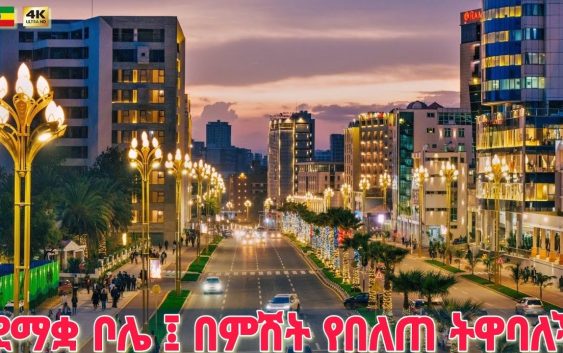
When Abiy Ahmed declared the completion of the Grand Ethiopian Renaissance Dam (GERD) and unveiled plans for Africa’s largest airport along with a nuclear power plant, many hailed it as the dawn of a bold national resurgence.
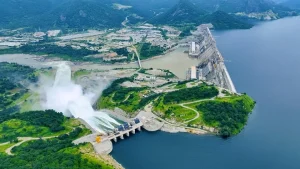 For a country long plagued by power shortages and infrastructure deficits, the ambition is nothing short of transformational. The GERD promises up to 5.15 gigawatts of hydroelectric capacity — a leap toward ending chronic energy deficits and positioning Ethiopia as a power exporter in East Africa. Meanwhile, the planned new mega-airport aims to turn Ethiopia into a leading continental aviation hub.
And yet, at this moment of grand ambition, Ethiopia teeters on the edge of profound structural stress. The very projects meant to bind the nation’s future together are unfolding against a backdrop of deep regional tensions and simmering ethnic violence.
Grand Visions Amid Unresolved Divides
The inauguration of GERD has indeed marked a milestone. Government officials insist the dam — financed and built over more than a decade — signals the end of dependence on foreign aid and the birth of energy self-reliance.
At the same time, other large-scale projects are underway or in planning: a nuclear power plant, a new mega-airport for civil and cargo traffic, oil and gas ventures, fertilizer plants, and urban development schemes. These are part of a sweeping infrastructure push estimated at over US$30 billion.
Officials frame these as not just infrastructure initiatives but symbols of national pride and African potential. As one senior nuclear energy official said, the nuclear programme is “a pillar for Ethiopia’s energy security and economic transformation.”
Conflict Lines and Institutional Fragility
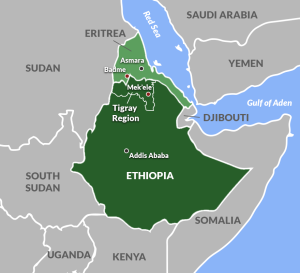
However, Ethiopia’s march toward modern infrastructure unfolds even as domestic fault-lines widen. Regions such as Amhara and Oromia — and a still-fragile peace in the once war-torn Tigray — remain hotspots of ethnic-based insurgency, violence and community insecurity.
 Groups like loosely organised militias and regional armed actors continue to claim grievances rooted in perceived marginalization, resource allocation, and political representation. Observers warn that deepening inequality between capital-region investment and regional neglect risks felling further instability.
Meanwhile external pressures are mounting. As Ethiopia looks to regain access to the Red Sea — partly to support its growing maritime and trade ambitions — its neighbor Eritrea has accused it of harbouring expansionist designs.
Downstream, some states view projects such as the GERD with deep suspicion.
Taken together, these dynamics place Ethiopia in a precarious dual reality: a nation looking to build a future of connectivity, energy security and economic growth — even as unresolved internal fractures and regional mistrust threaten to undo the promise.
Economic Promise, Human Risk
Proponents argue that the planned mega-airport, energy projects, and infrastructure investments will create jobs, stimulate manufacturing and trade, and foster economic diversification — especially in energy-intensive industries, logistics, and export-oriented sectors.
But civil society watchers caution that without concrete mechanisms for equitable resource distribution, enhanced social inclusion, and conflict-sensitive governance, the dividends of development may remain concentrated — exacerbating social unrest.
Rural communities and historically marginalized regional populations often report that the benefits of national projects are visible only in major cities. Meanwhile, in conflict-affected regions, instability continues to hinder basic service delivery and reconstruction.
A Critical Juncture
Ethiopia stands at a critical crossroad. Its new mega-projects represent bold confidence in national potential — energy independence, regional infrastructure leadership, and economic transformation.
Yet the same moment demands urgent attention to social cohesion, inclusive governance, and regional diplomacy. Failure to address ethnic fault-lines, respect community rights, and engage neighbours could undermine even the most visionary of urban plans.
Our view is clear: if Ethiopia’s ambitions are to yield lasting dividends, the government must synchronise infrastructure with inclusivity; grand visions with grounded social policy; development with justice.
We will continue to monitor progress, highlight developments, and give voice to communities, analysts and stakeholders — ensuring that Ethiopia’s future is built not just on steel and concrete, but on trust, stability and shared opportunity.