- Democracy in West Africa: Beyond Elections, Toward Accountability
- ECOWAS Integration: Stop the Political Lip Service
- Ghana’s Cedi Crisis: Citizens Deserve Monetary Stability
- Nigeria’s Oil Dependency: Time to Break the Curse
- United States Signals Continued Tight Monetary Policy Amid Inflation Concerns

African Union Pushes for Accelerated Continental Free Trade Implementation
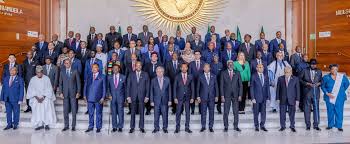
The African Union has renewed calls for accelerated implementation of the African Continental Free Trade Area as leaders and policymakers met in Addis Ababa, Ethiopia, in early December for a high-level trade and integration review session held at the African Union headquarters.
The meeting, convened by the African Union Commission Department of Economic Development, Trade, Tourism, Industry and Minerals, brought together trade ministers, senior customs officials, heads of regional economic communities, and representatives of the private sector from across the continent. The session focused on practical bottlenecks delaying the full operationalization of the free trade framework.
Speaking at the opening session, the Chairperson of the African Union Commission emphasized that the agreement has moved beyond negotiation and must now deliver measurable economic outcomes. He stated that “the continental free trade area is no longer a vision document. It is a live instrument that must translate into increased trade, industrial growth, and job creation across Africa.”
According to data presented at the meeting, intra African trade currently accounts for less than 20 percent of total African trade, significantly lower than levels recorded in Europe and Asia. Officials noted that while tariff schedules have been agreed by most member states, non-tariff barriers, customs inefficiencies, and weak trade related infrastructure continue to constrain progress.
The Secretary General of the African Continental Free Trade Area Secretariat, speaking during a technical session, highlighted the urgency of implementation at national level. He noted that “the success of the agreement will be determined at borders, ports, and industrial zones. If procedures remain slow and fragmented, businesses will not feel the impact of the free trade area.”
He added that several countries participating in the Guided Trade Initiative have recorded early gains, including reduced clearance times and increased cross border shipments of manufactured and agricultural goods. “These pilot experiences demonstrate that implementation is possible when political commitment is matched with administrative action,” he said.
Trade ministers from multiple countries used the forum to call for stronger coordination among customs authorities and standards agencies. One West African trade minister stated that “harmonization of procedures is essential. Businesses should not face different documentation requirements and inspection regimes when moving goods across neighbouring countries.”
Private sector representatives also voiced concerns about the pace of reform. A representative of a pan African manufacturing group told the meeting that logistics costs remain a major barrier. “Transport, border delays, and inconsistent rules are eroding the competitiveness of African products. The free trade area must address these issues if it is to unlock industrial scale,” he said.
The forum also examined the role of infrastructure and industrial policy in supporting trade integration. Officials from the African Development Bank presented analysis showing that improvements in transport corridors, digital customs systems, and energy supply could significantly increase the volume of intra African trade over the medium term.
In his closing remarks, the African Union Commissioner for Trade stressed that implementation would require sustained political leadership. He stated that “the agreement represents a collective commitment by African states to trade with one another more effectively. What is required now is discipline, coordination, and accountability at national and regional levels.”
Participants agreed on a set of follow up actions, including accelerated domestication of AfCFTA protocols, expanded support for customs modernization, and deeper engagement with the private sector. A progress review is expected to be presented at the next African Union Summit.
As global trade conditions remain uncertain, African policymakers argue that effective implementation of the continental free trade area offers a strategic pathway toward economic resilience, industrial development, and reduced dependence on external markets.