- Democracy in West Africa: Beyond Elections, Toward Accountability
- ECOWAS Integration: Stop the Political Lip Service
- Ghana’s Cedi Crisis: Citizens Deserve Monetary Stability
- Nigeria’s Oil Dependency: Time to Break the Curse
- United States Signals Continued Tight Monetary Policy Amid Inflation Concerns

Lagos State Scales Up Drainage Infrastructure to Mitigate Flood Risks
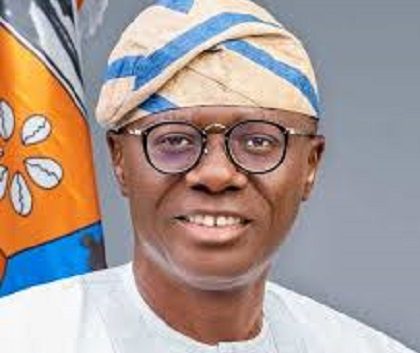
The Lagos State Government has scaled up its drainage expansion and flood mitigation programme as part of a broader urban resilience strategy ahead of the peak rainfall season. The intervention covers construction of new drainage channels, rehabilitation of aging infrastructure, and extensive desilting of primary and secondary collectors across flood prone areas of the state.
Governor Babajide Sanwo Olu described the initiative as a core component of the administration’s commitment to protecting lives, property, and economic activity in Africa largest city. Speaking during an inspection of ongoing drainage works, the Governor stated that flood management remains a priority within the state’s infrastructure and climate adaptation agenda.
According to Governor Sanwo Olu, “Lagos is a coastal megacity with unique environmental pressures. Our responsibility as a government is to anticipate these challenges and invest consistently in infrastructure that reduces risk to our people and the economy. Drainage infrastructure is not optional. It is fundamental to sustainable urban living.”
He emphasized that the current phase of works was informed by data driven flood mapping and long-term planning rather than emergency responses. “What we are doing is proactive. We are aligning drainage development with road construction, urban regeneration, and environmental management. This ensures that public funds deliver durable solutions rather than temporary fixes,” the Governor said.
Commissioner for the Environment and Water Resources, Tokunbo Wahab, noted that the expanded programme reflects lessons learned from previous rainy seasons and the increasing impact of climate variability. He explained that the ministry has adopted a corridor-based approach that prioritizes high density communities and economically strategic zones.
“Flooding in Lagos is a technical and behavioral issue. Government must provide infrastructure, but residents must also play their part. We are expanding and maintaining drainage channels, but when drains are blocked with waste, the system fails regardless of scale,” Wahab stated.
He added that enforcement and public education would accompany the physical works. “We are intensifying monitoring and enforcement against indiscriminate waste disposal. At the same time, we are engaging communities because flood control cannot succeed without public cooperation. Environmental responsibility is a shared duty,” he said.
Wahab further highlighted the scale of the intervention, noting that several kilometers of drainage channels were currently under construction or rehabilitation across the state. “This administration has sustained year-round desilting and channel expansion. Our objective is to ensure that storm water flows freely into natural outlets and that flash flooding is significantly reduced,” he explained.
Governor Sanwo Olu also stressed the economic implications of effective flood management, particularly for transport, commerce, and public health. “When flooding disrupts movement and damages infrastructure, it affects productivity and livelihoods. By investing in drainage, we are protecting jobs, businesses, and public assets,” he said.
The Governor reaffirmed the administration’s commitment to environmental sustainability and long-term resilience. “We are building a Lagos that can withstand environmental pressures while continuing to grow. This requires discipline, investment, and partnership with residents. Everyone has a role to play in keeping Lagos functional and safe,” he added.
Urban planning and environmental experts have noted that the scale and continuity of drainage investment are critical for flood mitigation in a rapidly expanding city. Analysts observe that sustained maintenance, integrated land use planning, and citizen compliance will determine the long-term effectiveness of the infrastructure.
As the rainy season approaches, the state government has reiterated calls for residents to cooperate with environmental agencies, warning that blocked drainage systems undermine public investment and increase flood risks. The expanded programme signals an ongoing effort to position Lagos as a resilient and climate responsive мегacity capable of managing its environmental challenges while supporting economic growth.