- Democracy in West Africa: Beyond Elections, Toward Accountability
- ECOWAS Integration: Stop the Political Lip Service
- Ghana’s Cedi Crisis: Citizens Deserve Monetary Stability
- Nigeria’s Oil Dependency: Time to Break the Curse
- United States Signals Continued Tight Monetary Policy Amid Inflation Concerns

Democratic Republic of Congo Records Worst-Ever Cholera Outbreak in 25 Years
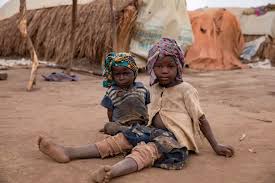
Kinshasa — UNICEF has declared that the Democratic Republic of the Congo (DRC) is experiencing its worst cholera outbreak in a quarter of a century, with dire impacts on families and children across much of the country.
As of early December 2025, the outbreak has resulted in 64,427 confirmed cases and 1,888 deaths since the beginning of the year. Among the victims are 14,818 children, of whom 340 died, underscoring the acute vulnerability of younger populations in the crisis.
In one of the most tragic instances, 16 of 62 children living in a Kinshasa orphanage died in a matter of days after the disease swept through — a grim reminder that cholera remains a deeply preventable disease when communities have access to proper water, sanitation, and hygiene infrastructure.
Widespread Impact Across Provinces
Seventeen out of the DRC’s 26 provinces are currently affected, including the capital city. The share of child‑involved cases varies by province, but on average nearly one in four confirmed cases involves a child.
Experts and health agencies cite persistent structural challenges behind the outbreak’s severity. According to the most recent Demographic and Health Survey (2024–2025), only 43 % of the population has access to basic water services — the lowest rate in Africa — and just 15 % uses basic sanitation facilities.
Contributing to the outbreak are decades‑long issues: decades of underfunded water and sanitation systems, rapid and unplanned urbanisation, recurrent flooding, displacement due to conflict (particularly in eastern provinces), and weak public health infrastructure.
Response, Gaps, and the Path Ahead
The DRC government launched a national plan known as the Multisectoral Cholera Elimination Plan (PMSEC) 2023–2027, estimated at USD 192 million. However, mid‑2025 assessments highlighted severe underfunding and lack of robust multisector coordination.
In response to the 2025 outbreak, authorities initiated a program named River Congo Without Cholera — targeting sanitation and safe drinking water access along waterways, including river ports and boat transit zones — but experts warn its success depends heavily on sustained funding and political commitment.
Meanwhile, UNICEF is supporting rapid‑response teams using the Case‑Area Targeted Intervention (CATI) approach — delivering immediate water, sanitation, hygiene (WASH) support and cholera treatment to households around confirmed cases. More than 13.5 million people across the country have received cholera prevention messaging between January and October 2025.
Even with these efforts, UNICEF warns that without urgent additional funds and coordinated action, the crisis may deepen. The agency estimates it will need roughly USD 6 million in 2026 to sustain life‑saving interventions at the current scale.
The Human Cost: More Than Statistics
The data tells a grim story. But behind the numbers are real lives — families disrupted, communities in mourning, children unable to return to school, and entire neighbourhoods living under the threat of disease. Displacement, overcrowded housing, and limited access to medical care amplify the severity of the outbreak.
As one UNICEF official remarked: “Congolese children should not be so gravely affected by what is a wholly preventable disease.”
For the DRC and its international partners, the task ahead is urgent: invest in water and sanitation infrastructure, strengthen health systems, improve rapid outbreak response capacity, and ensure long‑term maintenance of WASH services.
The cost of inaction is measured in preventable deaths, lost futures, and deepening humanitarian distress.